-
Shop
- Adidas
- Advanced Technologies
- AI Skills
- AI Skills for Creators & Freelancers
- AI Client Management
- AI Ethics
- AI Mindset
- AI Tools & Prompts
- AI Writing & Content Creation
- Audio, Voice & Music
- Design & Visual Creation
- Email, Messaging & Communication
- Freelancing & Business
- Marketing, Ads & Conversion
- Productivity, Workflow & Automation
- SEO & Search Optimization
- Social Media Content & Growth
- Strategy, Planning & Analytics
- Video Creation & Editing
- AI Skills Mastery 2026 Collection
- Beauty
- Best-Sellers
- Business & Digital Skills
- Calvin Klein
- Car Accessories
- Car Buying & Ownership
- Confidence
- Dating & Social Skills
- Digital Resources
- Budgeting & Saving
- Cozy Feast Collection
- Electronics & Technology
- Emotional Intelligence
- Entrepreneurship & Business Growth
- Financial Education
- Financial Independence
- Financial Mindset & Psychology
- Goal Setting
- Hobbies
- Leadership
- Mindfulness
- Mindset
- Motivation
- Online Business
- Positive Thinking
- Productivity
- Self Confidence
- Sleep Improvement
- Smart Life with AI
- Stress Management & Relaxation
- Travel Planning
- Yoga & Fitness
- Yoga & Mind-Body Practices
- Education & Learning
- Family & Home
- Family & Parenting
- Fashion
- Fashion & Beauty
- Furniture
- Gadgets
- Health & Beauty
- Health & Wellness
- Home & Garden
- Home Styling & Organization
- Kids & Babies
- Legend Footwear Brands Collection
- Lighting
- Nike
- Parenting & Child Development
- Patio, Lawn & Garden
- Personal Growth
- Personal Growth & Wellness
- Personal Style & Fashion
- Pet Care
- Pet Lifestyle & Wellness
- Pet Supplies
- Pets
- Shoes
- Sport & Outdoors
- Stress Relief & Relaxation
- Travel
- Travel & Adventure
- Wealth
- Wellness
Oktoberfest Munich First-Timer Plan: Tents, Timing & Tips
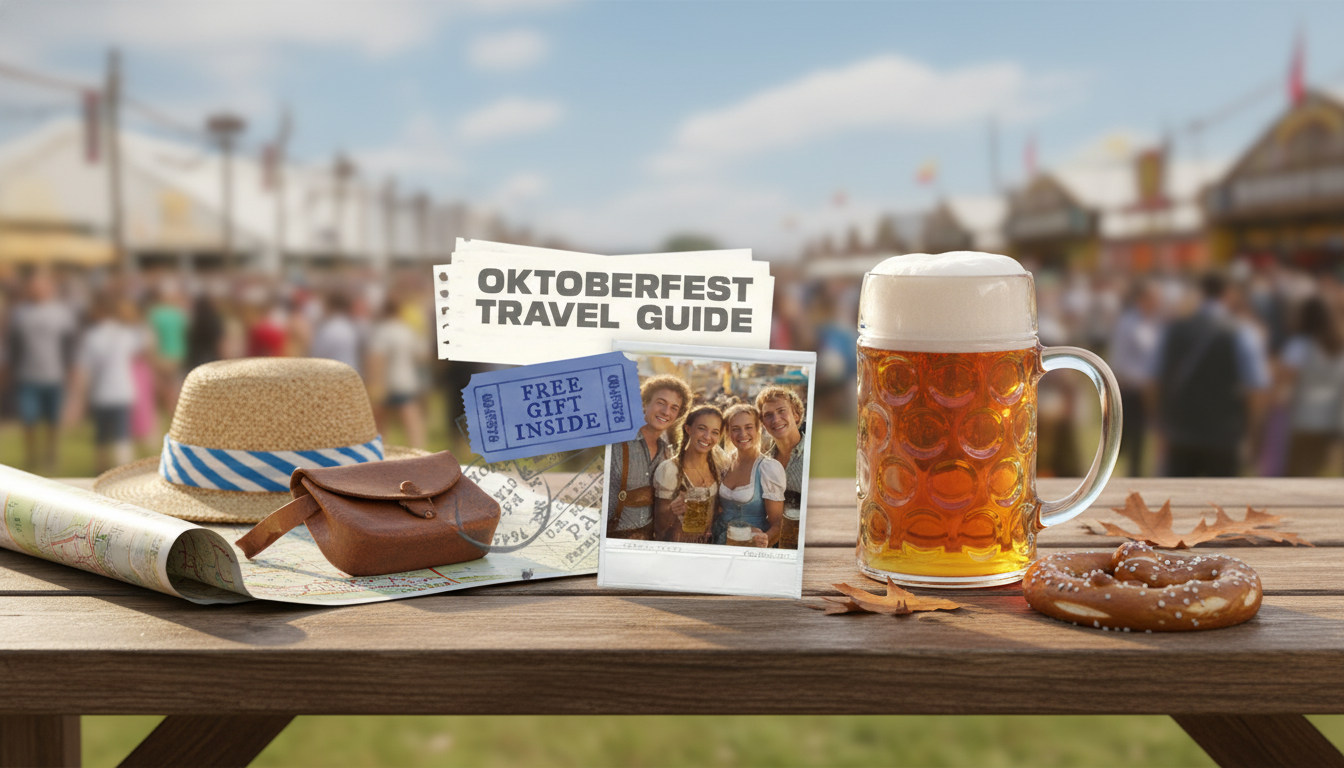
Oktoberfest is easier when the basics are set early: dates, where to stay, how tents work, what to wear, and how to avoid common rookie mistakes. This planning guide breaks the trip into simple decisions—so the day at Theresienwiese feels fun, not frantic.
Quick orientation: what Oktoberfest is (and isn’t)
Oktoberfest happens on the Theresienwiese (“Wiesn”) festival grounds in Munich, where massive beer tents sit alongside rides, food stalls, and parade routes. It’s not a ticketed theme park and it’s not a single “beer hall”—it’s a city-scale public festival with many moving parts.
Entry to the grounds is free. What you pay for is what you consume and do: beer, food, rides, and (if you choose) reserved seating inside tents. Each tent is run by a different host, and the vibe can swing from brass-band traditional to full-on singalong party. Picking the right tent and the right time matters as much as picking the right hotel.
Most beer served is Oktoberfestbier poured in 1-liter mugs (a Maß). Pace early, drink water consistently, and eat real food—those three choices determine whether the day stays legendary for the right reasons.
When to go: picking the right day and time
For first-timers, the easiest “win” is timing. Weekdays are typically calmer than weekends, and mornings or early afternoons give the best odds of finding open tables in unreserved areas. If you show up late, you’re competing with everyone who had the same idea.
Opening weekend is electric, but it’s also intense: more crowds, more lines, and more capacity pauses at tent doors. A midweek visit often feels more navigable while still delivering the full Oktoberfest energy. Evenings bring louder music and tighter entry controls—plan dinner earlier so you’re not hunting for food at peak congestion.
A balanced first visit: arrive on a weekday before noon, choose one main tent, and identify at least one nearby backup tent in case the door staff pauses entry.
Best time windows for different goals
| Goal | Best timing | What to expect |
|---|---|---|
| Find unreserved seats | Weekday, before 12:00 | More open tables; easier entry |
| Party atmosphere | Fri/Sat evening | Crowds, lines, louder music |
| Family-friendly feel | Weekday daytime | More strollers, calmer aisles |
| Photography + exploring grounds | Late morning or early afternoon | Better light; easier movement |
Where to stay: neighborhoods and commute strategy
Lodging is all about minimizing friction at the start and end of the day. Staying near Hauptbahnhof (Central Station) keeps transit simple, shortens the ride to Theresienwiese, and makes airport connections straightforward. Maxvorstadt and Ludwigsvorstadt are also convenient—often walkable or a quick U-Bahn hop—though prices climb fast as festival dates approach.
Book cancellable lodging early. Last-minute options tend to mean either premium rates or long commutes that feel painful at night. Once you have a place, plan a “safe return” route: know your U-Bahn/S-Bahn line, your stop, and a backup taxi pickup spot a few blocks away from the tightest crowds.
Getting there and getting around Munich
Use public transit and skip the parking headache. Common access points for the Wiesn area include Theresienwiese, Hauptbahnhof, and Goetheplatz stations, plus trams and surface routes depending on your neighborhood. If you’re new to Munich’s transit, the MVV site is the clearest place to confirm zones, tickets, and any validation rules before you ride.
Build buffer time. Platforms can pack out during the post-tent rush, and the flow through station corridors slows down. Comfortable shoes matter more than speed—expect long periods of standing, slow-moving foot traffic, and the occasional detour around dense crowds.
Useful official references: Oktoberfest Official Website (Wiesn), City of Munich: Oktoberfest Information, and MVV (Munich Public Transport).
Tents 101: how seating, reservations, and entry controls work
Think of each beer tent as its own venue with its own rules. Most large tents have both reserved and unreserved sections. Unreserved seating is first-come, first-served and disappears quickly on busy days. Reservations can be helpful, but they aren’t required for a great visit—especially if you arrive earlier.
Tickets, reservations, and what’s actually required
What to wear: comfort, tradition, and practical details
Inside the festival: ordering, etiquette, and pacing
First-timer mistakes to avoid (and easy fixes)
A simple one-day plan that stays flexible
Morning
Midday
Afternoon
Evening
Helpful guides to keep planning simple
If you want a streamlined, first-timer-friendly plan you can reference while booking and packing, Prost Without Stress – Oktoberfest in Munich Planning Guide | Ultimate Oktoberfest Travel Guide, Tents, Tickets, What to Wear & First-Timer Tips organizes the biggest decisions (tents, timing, logistics, what to wear) into an easy checklist.
For travelers balancing flights, lodging, and daily spending, Smart Savings: The Ultimate Guide to Balancing Short-Term and Long-Term Goals | Personal Finance Guide | Budgeting Planner | Short-term vs. long-term savings Beginner Blueprint can help map a realistic budget before prices spike closer to festival dates.
FAQ
Do you need tickets to enter Oktoberfest in Munich?
No—entry to the Oktoberfest grounds is free, and there’s no general admission ticket for the beer tents. Reservations are optional and separate from entry, mainly used to secure seating at specific times.
Can you get into a beer tent without a reservation?
Yes—most tents have unreserved seating that’s first-come, first-served. Your chances improve on weekdays and before noon, and it helps to have one or two backup tents nearby in case entry is paused due to capacity.
What should a first-timer wear to Oktoberfest?
Traditional outfits are optional; prioritize closed-toe shoes, layers for changing temperatures, and weather protection. Bring a small secure bag and keep valuables minimal for comfort in crowds.
Recommended for you


Was this article helpful?
Yes
No








Leave a comment