-
Shop
- Adidas
- Advanced Technologies
- AI Skills
- AI Skills for Creators & Freelancers
- AI Client Management
- AI Ethics
- AI Mindset
- AI Tools & Prompts
- AI Writing & Content Creation
- Audio, Voice & Music
- Design & Visual Creation
- Email, Messaging & Communication
- Freelancing & Business
- Marketing, Ads & Conversion
- Productivity, Workflow & Automation
- SEO & Search Optimization
- Social Media Content & Growth
- Strategy, Planning & Analytics
- Video Creation & Editing
- AI Skills Mastery 2026 Collection
- Beauty
- Best-Sellers
- Business & Digital Skills
- Calvin Klein
- Car Accessories
- Car Buying & Ownership
- Confidence
- Dating & Social Skills
- Digital Resources
- Budgeting & Saving
- Cozy Feast Collection
- Electronics & Technology
- Emotional Intelligence
- Entrepreneurship & Business Growth
- Financial Education
- Financial Independence
- Financial Mindset & Psychology
- Goal Setting
- Hobbies
- Leadership
- Mindfulness
- Mindset
- Motivation
- Online Business
- Positive Thinking
- Productivity
- Self Confidence
- Sleep Improvement
- Smart Life with AI
- Stress Management & Relaxation
- Travel Planning
- Yoga & Fitness
- Yoga & Mind-Body Practices
- Education & Learning
- Family & Home
- Family & Parenting
- Fashion
- Fashion & Beauty
- Furniture
- Gadgets
- Health & Beauty
- Health & Wellness
- Home & Garden
- Home Styling & Organization
- Kids & Babies
- Legend Footwear Brands Collection
- Lighting
- Nike
- Parenting & Child Development
- Patio, Lawn & Garden
- Personal Growth
- Personal Growth & Wellness
- Personal Style & Fashion
- Pet Care
- Pet Lifestyle & Wellness
- Pet Supplies
- Pets
- Shoes
- Sport & Outdoors
- Stress Relief & Relaxation
- Travel
- Travel & Adventure
- Wealth
- Wellness
Clarks Men’s Leather Ankle Boots: Fit, Care & Style
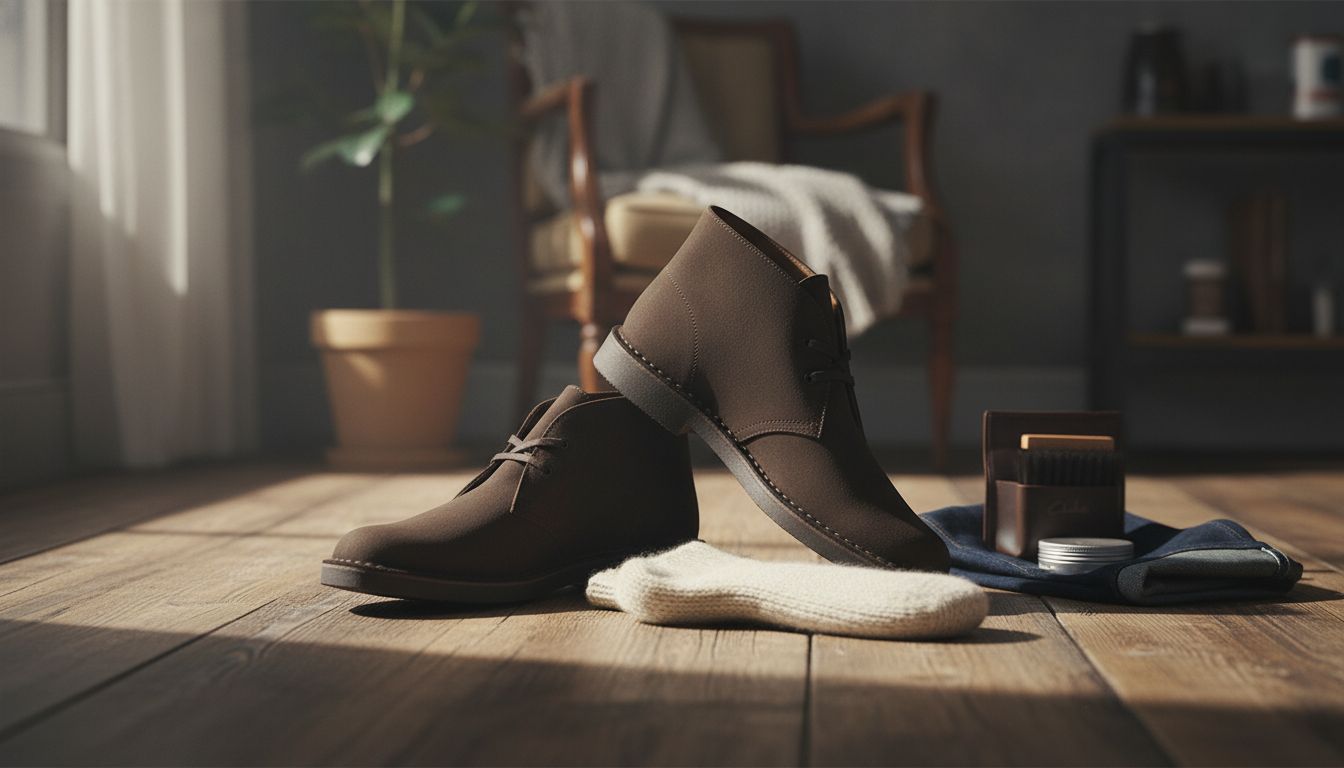
Clarks Men’s Leather Ankle Boots: Comfort, Craft, and Everyday Versatility
Leather ankle boots are a workhorse pair: easy to dress up, durable enough for frequent wear, and comfortable when the fit and construction are right. The sweet spot is a boot that supports the ankle without feeling heavy, looks polished enough for dinner, and holds up to repeat wear. Below is a practical guide to what makes leather ankle boots dependable, what to prioritize for comfort, how to dial in fit, how to break them in without pain, and how to keep leather looking sharp.
What makes leather ankle boots a dependable choice
Ankle-height boots sit in that rare middle ground between sneakers and taller boots. They cover the ankle for a little extra stability and structure, but they avoid the bulk and heat that can come with mid-calf or tall styles. That makes them easy to wear year-round, especially for commuters and anyone who’s on their feet frequently.
Leather uppers also tend to improve with time. With consistent wear, leather can relax slightly and mold to your foot shape, creating a more personalized feel. Visually, a good leather upper develops character—subtle creasing and patina that reads “lived-in” rather than worn-out, as long as you keep up with basic cleaning and conditioning.
Styling is another advantage: depending on the leather finish and outsole profile, leather ankle boots can move between casual, smart-casual, and many office settings. They pair naturally with denim and chinos, and they can look equally at home with wool trousers and layered outerwear when the temperature drops.
Highlights to look for in Clarks-style comfort
Comfort isn’t just about softness—support and stability matter just as much. Many Clarks-inspired designs focus on underfoot cushioning and a secure, easy-to-wear fit that works for long days.
- Cushioned footbeds help reduce fatigue, especially on sidewalks and hard indoor floors.
- A stable outsole improves confidence with each step, particularly during quick direction changes and on smooth surfaces.
- Clean stitching and edge finishing help the upper keep its shape and look tidy longer.
- Breathable linings and a comfortable collar reduce overheating and minimize rubbing around the ankle.
- Practical closures (lace-ups for adjustability or elastic gussets for easy on/off) make it easier to fine-tune fit.
For additional comfort and foot-health fundamentals—like ensuring proper length, width, and support—resources from the American Podiatric Medical Association can be a helpful reference point when comparing footwear options.
Quick spec checklist before buying
A few small details can make the difference between boots that sit in the closet and boots that become the default choice. Before checking out, confirm the upper material, choose a sole that matches your surfaces, and think through how you’ll actually wear them day to day.
- Leather type/finish: full-grain or smooth leather often ages more naturally than heavily corrected finishes.
- Sole: rubber tends to grip better and feel more forgiving; sleeker soles can look sharper but may be less cushioned.
- Toe shape: rounder toes usually feel easier for all-day wear; slightly almond toes read a bit dressier.
- Color: black leans sharper and more formal; brown spans casual through smart-casual with ease.
- Socks: sock thickness changes fit and break-in feel more than many people expect.
Leather Ankle Boot Checklist (Match to How You’ll Wear Them)
| Use case | Leather finish | Sole preference | Best pairing |
|---|---|---|---|
| Daily commute | Smooth or lightly textured | Rubber or cushioned outsole | Jeans, chinos, casual jacket |
| Smart-casual office | Polished smooth leather | Low-profile rubber or hybrid | Wool trousers, button-down, blazer |
| Wet-weather errands | Treated or conditioned leather | Deeper-tread rubber | Denim, overshirt, rain shell |
| Evening outings | Cleaner, shinier finish | Sleeker sole profile | Dark jeans or tailored trousers |
Fit and sizing: getting comfort from day one
Leather boots can soften with wear, but the underlying length and overall last shape won’t magically change. A careful try-on prevents most “almost fits” mistakes.
Break-in without blisters
Care routine for leather that stays sharp
For brand-specific care guidance and product recommendations, refer to Clarks shoe care guidance. For broader context on responsible leather production and auditing frameworks, the Leather Working Group provides useful material standards information.
Outfit ideas for year-round wear
Featured picks available now
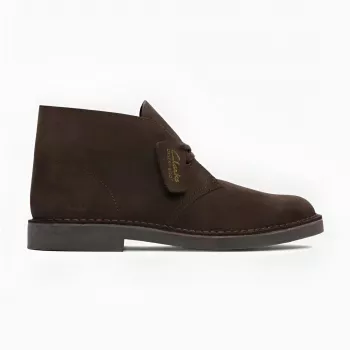
- Clarks Men’s Leather Ankle Boots — a practical leather ankle-boot option designed for everyday wear, with versatility that works across casual and smart-casual outfits.
- Smart Savings: The Ultimate Guide to Balancing Short-Term and Long-Term Goals | Personal Finance Guide | Budgeting Planner | Short-term vs. long-term savings Beginner Blueprint — a helpful add-on for planning wardrobe upgrades and long-term staples without guesswork.
Product pick: Clarks Men’s Leather Ankle Boots
Clarks Men’s Leather Ankle Boots are a strong option for building a minimal, versatile footwear rotation. The leather ankle height makes them easy to style, while comfort-focused design details can make them more wearable for longer days.
FAQ
Do leather ankle boots stretch over time?
Leather can relax and mold to the foot with wear, especially across the vamp and width. It should feel snug but not painful at first; tightness in length typically won’t improve and usually points to needing a different size.
How often should leather boots be conditioned?
Condition every few weeks to every couple of months depending on climate and how often you wear them. Dry environments and frequent wear usually require more conditioning, while over-conditioning can soften structure and attract dirt.
What socks work best with ankle boots?
Medium-weight socks are a reliable default for comfort and moisture management. Use thinner socks for a cleaner fit in dressier settings, and thicker socks for colder weather if the boot volume allows.
Recommended for you


Was this article helpful?
Yes
No







Leave a comment