-
Shop
- Adidas
- Advanced Technologies
- AI Skills
- AI Skills for Creators & Freelancers
- AI Client Management
- AI Ethics
- AI Mindset
- AI Tools & Prompts
- AI Writing & Content Creation
- Audio, Voice & Music
- Design & Visual Creation
- Email, Messaging & Communication
- Freelancing & Business
- Marketing, Ads & Conversion
- Productivity, Workflow & Automation
- SEO & Search Optimization
- Social Media Content & Growth
- Strategy, Planning & Analytics
- Video Creation & Editing
- AI Skills Mastery 2026 Collection
- Beauty
- Best-Sellers
- Business & Digital Skills
- Calvin Klein
- Car Accessories
- Car Buying & Ownership
- Confidence
- Dating & Social Skills
- Digital Resources
- Budgeting & Saving
- Cozy Feast Collection
- Electronics & Technology
- Emotional Intelligence
- Entrepreneurship & Business Growth
- Financial Education
- Financial Independence
- Financial Mindset & Psychology
- Goal Setting
- Hobbies
- Leadership
- Mindfulness
- Mindset
- Motivation
- Online Business
- Positive Thinking
- Productivity
- Self Confidence
- Sleep Improvement
- Smart Life with AI
- Stress Management & Relaxation
- Travel Planning
- Yoga & Fitness
- Yoga & Mind-Body Practices
- Education & Learning
- Family & Home
- Family & Parenting
- Fashion
- Fashion & Beauty
- Furniture
- Gadgets
- Health & Beauty
- Health & Wellness
- Home & Garden
- Home Styling & Organization
- Kids & Babies
- Legend Footwear Brands Collection
- Lighting
- Nike
- Parenting & Child Development
- Patio, Lawn & Garden
- Personal Growth
- Personal Growth & Wellness
- Personal Style & Fashion
- Pet Care
- Pet Lifestyle & Wellness
- Pet Supplies
- Pets
- Shoes
- Sport & Outdoors
- Stress Relief & Relaxation
- Travel
- Travel & Adventure
- Wealth
- Wellness
3500W Electric Demolition Hammer: 1900 BPM, 2 Chisels
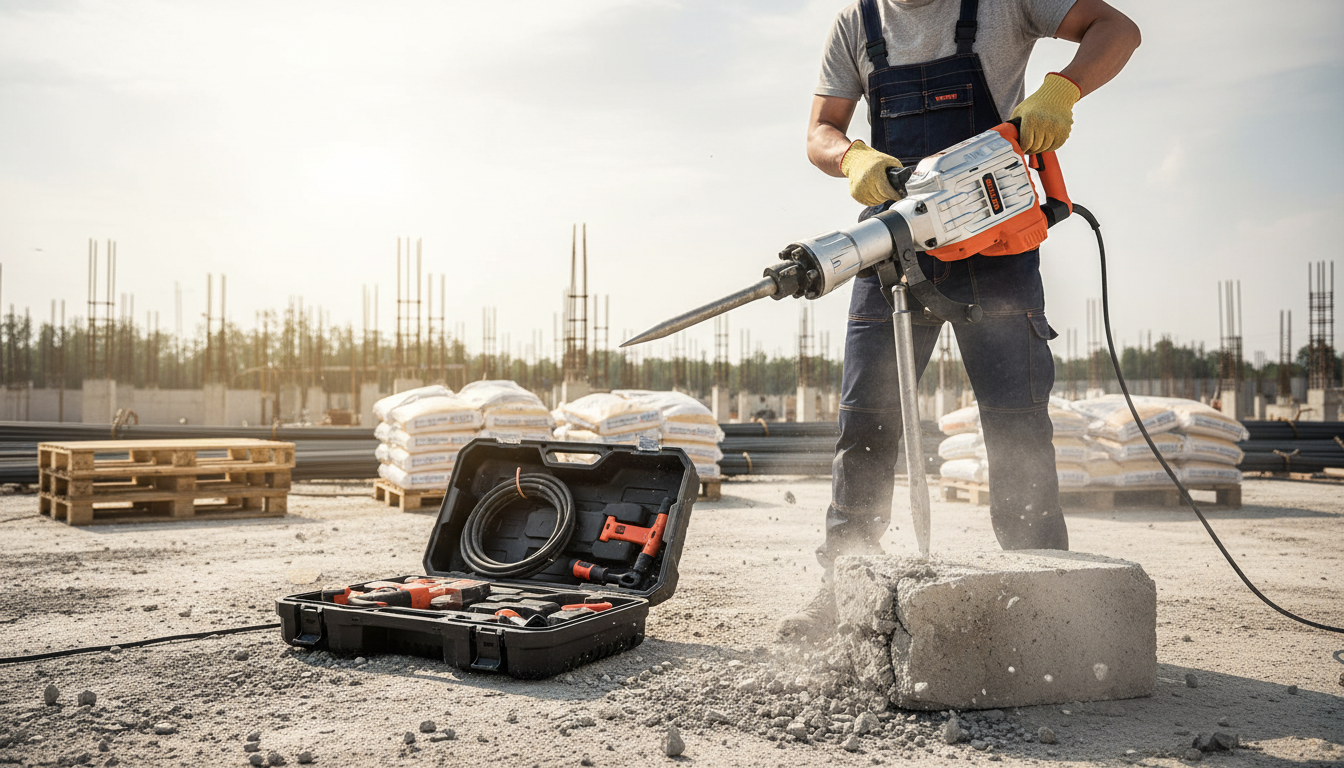
3500W Electric Demolition Jack Hammer (1900 BPM) Concrete Breaker With 2 Chisels
A high-powered electric demolition jack hammer can speed up concrete removal, trenching, and tile or masonry break-up without the downtime of gas tools. This guide covers what to expect from a 3500W breaker rated at 1900 blows per minute, how the included chisels fit common jobs, and the practical steps that keep performance consistent and operation safer.
What this demolition hammer is built to do
This style of electric concrete breaker is purpose-built for aggressive material removal—think breaking and removing concrete, brick, mortar, and stone for renovation, repair, and light construction work. It’s a practical fit for slab edges, small pads, footings, steps, and masonry demo where plugging into power is simpler than setting up a compressor and hoses.
Because it’s electric, it’s also convenient for intermittent tasks where setup time and portability matter more than compressor capacity. The 1900 BPM impact rate emphasizes steady chipping and breaking action rather than precision drilling—ideal when the goal is to fracture material quickly and clear debris efficiently.
Power and impact rate: what 3500W and 1900 BPM mean on the job
Power (3500W) is a big part of how consistently a demolition hammer can keep striking when the bit is buried in dense concrete. Higher wattage generally supports sustained load, helping reduce stalls and slowdowns as you work through thicker sections or harder mixes.
BPM (blows per minute) is the strike frequency—in this case, 1900 BPM. When strike frequency is paired with adequate impact energy and the right chisel, it can translate into faster break speed and smoother progress. Real-world results still depend on factors like concrete strength, aggregate size, existing cracks, tool pressure, and your working angle.
For quicker removal, score or relieve the surface where possible, work from edges and known cracks, and avoid “muscling” the tool. Let the hammer’s weight and impacts do the work; forcing it often increases binding and fatigue without improving break rate.
Chisels included: when to use each one
This breaker includes two common chisel styles, giving you a simple way to match the tool to the phase of demolition:
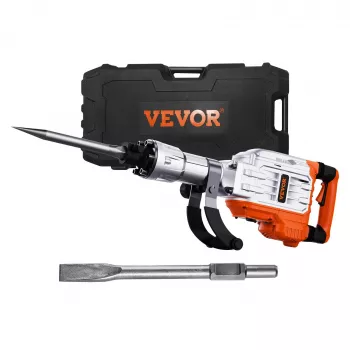
- Point chisel: Concentrates force into a small area to start cracks, punch through stubborn spots, and break thicker sections where you need a “starter” fracture.
- Flat chisel: Spreads force to shear and lift material—useful for breaking along seams, peeling up thin concrete, and prying up tile or mortar beds.
A practical workflow is to open the job with the point chisel (create cracks and separation), then switch to the flat chisel to widen, lift, and clear. Keep chisel tips in good condition: severe mushrooming or a badly deformed tip reduces efficiency and can increase sticking in the holder.
Typical use cases and practical expectations
Concrete slab and step demolition
Start at corners and edges where the slab can “give,” then work inward in sections. Break pieces to a size you can safely move, and clear rubble frequently—re-breaking loose fragments wastes time and adds vibration.
Masonry and mortar removal
When you’re removing mortar or breaking masonry near surfaces you want to keep, use lighter pressure and a controlled angle. The goal is to fracture what you’re targeting without transferring unnecessary shock into adjacent material.
Trenching for small runs
For shallow trenching, make two parallel relief breaks first. Once you’ve defined the channel, use the flat chisel to lift out the middle. This approach is usually faster than trying to “dig” a trench in one pass.
Tile and thinset removal
Keep the flat chisel shallow and let it slide under tile and thinset. A steep angle tends to gouge the substrate and can slow progress.
Setup checklist before the first break
- Confirm electrical capacity: Use a properly rated outlet/circuit, and avoid undersized extension cords that can cause voltage drop and weaker performance.
- Inspect before use: Check the cord and tool housing for damage, and verify the chisel seats securely before powering on.
- Prepare the work zone: Mark the area, remove trip hazards, and plan debris management so footing stays stable.
- Wear appropriate PPE: Eye/face protection, hearing protection, gloves, sturdy footwear, and respiratory protection when dust is present.
Operating tips for faster progress and less fatigue
Safety considerations for demolition work
Concrete breaking can create hazardous dust and high noise levels. For silica dust awareness and controls, reference OSHA’s guidance on the Respirable Crystalline Silica Standard (Construction). For hearing conservation practices, see NIOSH noise and hearing loss prevention.
Care and maintenance to keep impact consistent
Specifications and quick comparison
| Specification | Value |
|---|---|
| Power | 3500W |
| Impact rate | 1900 BPM |
| Tool type | Electric demolition jack hammer / concrete breaker |
| Included accessories | 2 chisels (point and flat) |
| Availability | In stock |
In-stock picks
- 3500W Electric Demolition Jack Hammer – 1900 BPM Concrete Breaker with 2 Chisels
- Cozy Baby Quilt – Soft & Thick Newborn Swaddle Blanket
- Smart Savings: The Ultimate Guide to Balancing Short-Term and Long-Term Goals | Personal Finance Guide | Budgeting Planner | Short-term vs. long-term savings Beginner Blueprint
FAQ
What is BPM on a demolition hammer, and does higher BPM always break faster?
BPM means blows per minute, or how often the tool strikes. Higher BPM can improve removal speed when impact energy and chisel choice match the material, but technique, concrete density, and working angle still heavily influence results.
Which chisel should be used for starting a break in thick concrete?
Use the point chisel to concentrate force and initiate cracks in thick or stubborn concrete. Once the section fractures, switch to the flat chisel to widen the break and lift pieces out more efficiently.
Can an electric concrete breaker be used indoors?
Yes, as long as the power supply is appropriate and dust/noise controls are treated seriously. Ensure ventilation as needed, follow silica-dust precautions, wear hearing protection, and keep others clear of flying debris.
Recommended for you


Was this article helpful?
Yes
No









Leave a comment