The most reliable way is the inner care tag—usually sewn into a side seam or at the back of the neck. If it says “100% Cotton,” “All Cotton,” or “Cotton: 100%,” it’s a true cotton sweatshirt. If it lists multiple fibers (for example, “60% cotton / 40% polyester” or “Cotton/Polyester”), it’s a cotton blend.
If the tag is missing or unreadable, look for the product’s “Materials” or “Fabric” section online. Retail listings often specify exact percentages. When a listing only says “cotton blend” without numbers, it’s still a blend—brands typically reserve “100% cotton” as a clear selling point and label it plainly.
While you can’t confirm fiber content by touch alone, a few cues can help you make an educated guess. 100% cotton fleece often feels more matte and natural, with a softer “dry” hand. Cotton-poly blends can feel slightly smoother or slicker and may have a springier stretch and faster rebound when you squeeze the fabric.
Another hint is pilling. Blends—especially with polyester—tend to pill more noticeably over time because synthetic fibers are stronger and hold onto fuzz. Cotton can pill too, but it often sheds pills more easily and may look more “broken-in” as it ages.
Care tags can also suggest what’s inside. Many cotton-blend sweatshirts emphasize “tumble dry low” and “resists shrinking,” while 100% cotton pieces more often warn about shrinkage and recommend lower heat or line drying. This isn’t definitive, but it’s a useful tie-breaker when you’re comparing similar options.
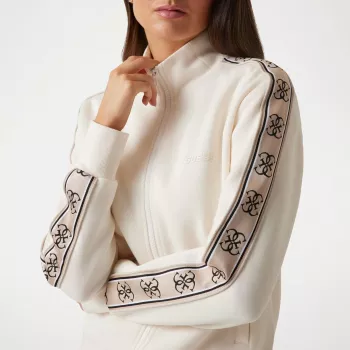
For more detail on how cotton zip-ups wear, wash, and soften over time, visit this guide: https://lustrous.store/guide-guess-active-cotton-zip-up-sweatshirt-fit-feel-care/.
Usually, yes. Polyester and other synthetics help stabilize the fabric, so blends often shrink less than 100% cotton—especially in the dryer. Heat and agitation still matter, so drying on low (or air drying) helps either way.





Leave a comment