Solo Outdoor Workout Safety Checklist for Confident Training
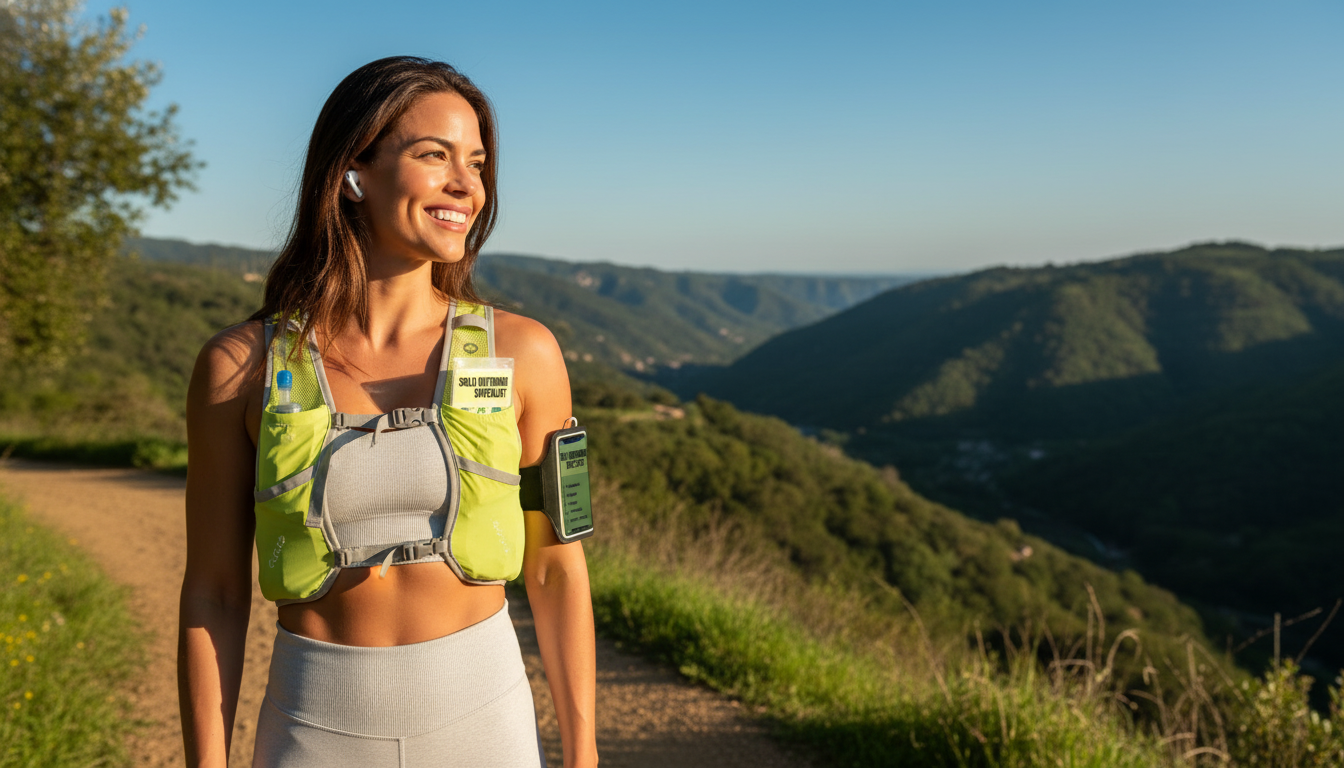
Training outside on your own can feel empowering—and safer when a few smart habits become routine. Use the checklist below to plan routes, manage weather and visibility, keep your phone and ID ready, and reduce common risks like dehydration, traffic exposure, and getting stranded with a dead battery.
Quick pre-workout safety scan (2 minutes)
A fast scan before you step out the door prevents most “I should’ve…” moments. Aim to make these steps automatic:
- Check the weather twice: look at conditions now and during your workout window (temperature, wind, precipitation, and lightning risk). For heat guidance, see CDC: Heat and Athletes.
- Match route to daylight: choose sidewalks, parks, or trails that stay visible for your entire session; skip isolated shortcuts and unlit paths.
- Share a plan: tell a trusted contact your location, route, start time, expected finish time, and when you’ll check in.
- Confirm phone readiness: battery above 50% (or bring a power bank) and location sharing enabled if you’re comfortable with it.
- Carry essentials: ID, a payment method, water, and any required medication (for example, inhaler or epinephrine).
- Listen to your body: if fatigue, illness symptoms, or dizziness show up, reduce intensity, shorten the session, or move indoors.
Route and timing choices that reduce risk
Most solo training safety comes down to choosing “easy to navigate, easy to leave” routes.
- Favor familiar loops: consistent foot traffic and predictable turns reduce surprises. Loops also avoid the mental trap of going “too far” before realizing you’re low on water.
- Choose better visibility: daylight is the simplest safety upgrade. If you must train early or late, prioritize well-lit streets and parks.
- Avoid peak traffic pinch points: if rush hour is unavoidable, pick routes with protected crossings and longer walk signals.
- Use well-marked paths: stick to mapped sidewalks or signed trails. If service drops in your area, download an offline map before leaving.
- Know your safe stops: identify a few “reset points” (public buildings, parks with staff, busy intersections, open businesses) so you can pivot quickly.
- Headphones with awareness: keep volume low or use one earbud so you can hear bikes, cars, and footsteps.
Gear and settings that support awareness
The best gear is the gear you’ll actually use every time—simple, comfortable, and easy to access.
- Visibility first: wear bright colors; add reflective elements at dawn/dusk and carry a light for night sessions.
- Footwear check: shoes that fit well reduce blisters and ankle rolls. Give laces and tread a quick inspection.
- Turn on emergency tools: set up your SOS shortcut, add Medical ID to your lock screen, and confirm trusted contacts.
- Carry a loud signal device: a personal alarm or whistle should be reachable (not buried at the bottom of a bag).
- Dress for the full session: use layers. In cold weather, protect hands and ears, and avoid overdressing into sweat that later chills you.
Solo outdoor workout safety checklist (printable-style)
| Category |
Check |
Done |
| Before leaving |
Text a check-in plan (route + finish time) to a trusted contact |
☐ |
| Before leaving |
Phone charged + emergency SOS enabled |
☐ |
| Before leaving |
Weather checked (including lightning/heat/cold advisories) |
☐ |
| Visibility |
Reflective/bright clothing; light if needed |
☐ |
| Hydration |
Water packed; plan refill points for longer sessions |
☐ |
| Navigation |
Route loaded; offline map if needed |
☐ |
| During workout |
Stay situationally aware (limit headphone volume, scan surroundings) |
☐ |
| After workout |
Confirm safe finish with the same contact |
☐ |
Weather, heat, and cold: simple rules to follow
Conditions change fast outdoors. A few non-negotiables keep you from “pushing through” into preventable trouble.
- Heat: slow the pace, seek shade, and hydrate earlier than you think. Watch for headache, nausea, chills, or confusion and stop if symptoms escalate. The CDC heat guidance is a solid reference for warning signs and prevention.
- Cold: keep layers breathable. If you’re sweating heavily, vent or remove a layer to avoid getting chilled later when you slow down.
- Lightning: if you hear thunder, head to a substantial building or enclosed vehicle and wait before resuming. Follow National Weather Service: Lightning Safety.
- Air quality: when the AQI is poor, reduce intensity, shorten the session, or move indoors. Check local conditions via AirNow (AQI).
- Rain and wet ground: shorten your stride, slow down on turns, and avoid slick painted road markings and wet leaves.
Personal safety while training alone
- Trust instincts: if something feels wrong, change direction, cross the street, or step into a public place.
- Don’t be predictable: rotate routes and times if you train regularly in the same area.
- Keep hands free: stay ready to steady yourself on uneven surfaces. Secure valuables and avoid displaying expensive electronics.
- Choose people-rich areas: if a path becomes isolated, reroute earlier rather than later.
- Know how to describe your location: cross streets, trail markers, landmarks, and the direction you were traveling help responders find you faster.
Emergency plan and post-workout check-in
Printable digital checklist option for faster prep
FAQ
What outdoor workouts can I do for 75 Hard?
Practical options include a brisk walk, easy run, ruck, cycling, hiking, stair repeats, an outdoor strength circuit (bodyweight squats, lunges, push-ups), or mobility/yoga in a park. Prioritize visible routes, plan for weather, hydrate, tell someone your route and finish time, and keep intensity appropriate if conditions change.
Recommended for you




Leave a comment