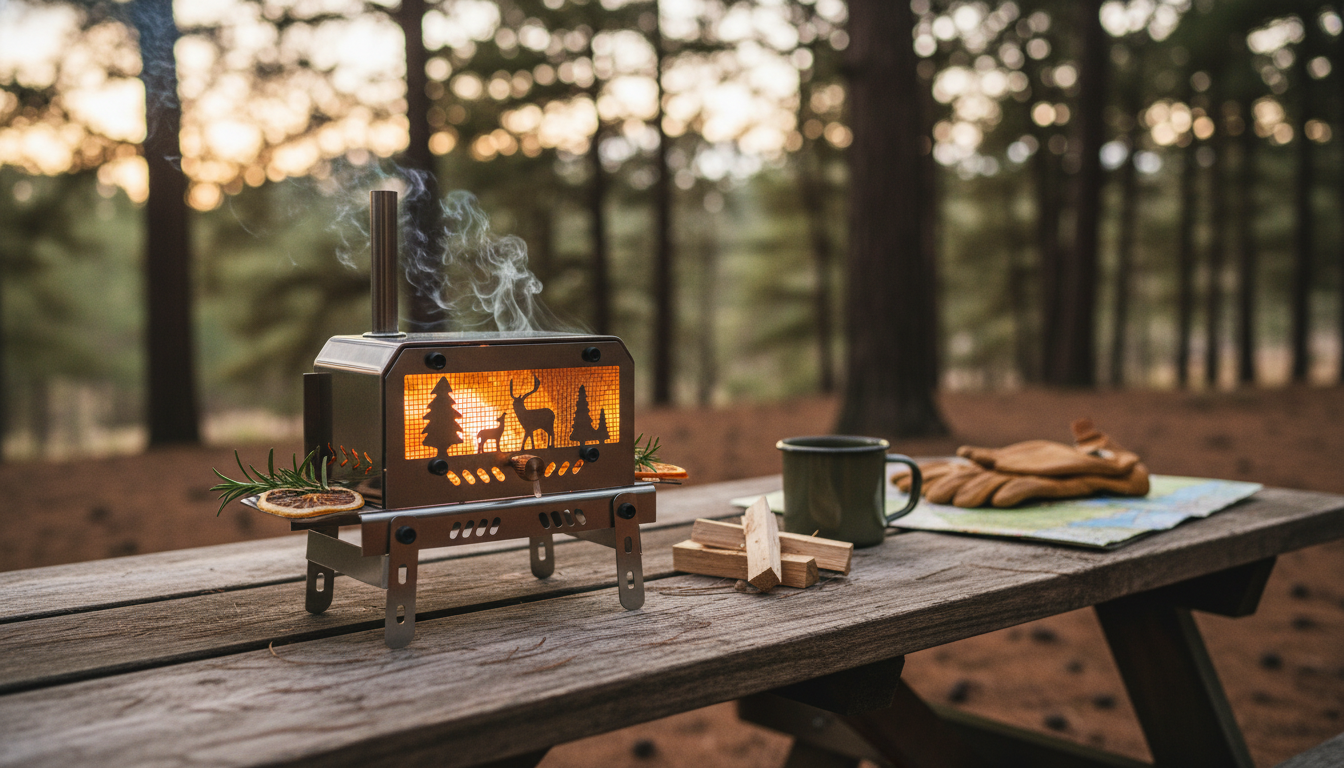
A compact wood-burning stove can turn a campsite, patio, or backyard table into a practical cooking and warming station. The Stainless Steel Outdoor Mini Firewood Stove with Chimney & Aromatherapy Holder combines a small firebox with a chimney for steadier draft and an aromatherapy holder for adding a gentle scent while it burns. It’s a handy pick for quick boil-ups, simple meals, and relaxed ambiance—without hauling bulky gear. For more guidance, see Asia Industrial and Institutional Stove Compendium.
What This Mini Stove Is Designed For
- Quick outdoor tasks: boiling water, heating a small pot, or warming hands near a sheltered seating area.
- Low-fuss fuel: small sticks, twigs, and split kindling (avoid treated or painted wood).
- Chimney-assisted burn: guides smoke upward and helps stabilize airflow in calmer conditions.
- Aromatherapy holder: a heat-safe way to add fragrance (use only as intended—typically a small tray or reservoir designed for oils or aromatherapy blocks).
Key Parts and How They Work Together
This style of mini stove works best when each component does its job: fuel burns hot and clean in the firebox, airflow stays consistent, and heat rises where you want it—toward your cookware and up the chimney. For further reading, see Majestic Cottagewood 42″ Traditional Outdoor Wood Burning ….
- Stainless steel body: resists corrosion better than plain steel and usually wipes down more easily after soot.
- Firebox area: where fuel is loaded; dry, thin pieces typically burn more efficiently than thick chunks.
- Chimney section: encourages draft through the burn chamber and helps direct smoke away from face level.
- Pot support / cook surface: sized for smaller cookware; keep the load stable and centered to prevent tipping.
- Aromatherapy holder: uses rising heat to warm a small amount of fragrance; keep it away from direct flame contact unless the accessory specifically allows it.
Performance Expectations in Real Outdoor Use
A mini wood stove is less “set it and forget it” than gas, but it’s satisfying when you want a simple fire-powered setup. Expect the experience to vary with conditions.
- Heat output varies: fuel dryness, wind, and how often the firebox is fed make a big difference.
- Steadier burn with chimney draft: compared with an open fire, draft is often more consistent, though gusts can still disrupt the flame.
- Best for short cycles: quick boils, heating, and light simmering rather than all-night heating.
- Some soot is normal: smoky burns can create soot and creosote; dry fuel and good airflow reduce buildup.
- Aromatherapy stays subtle outdoors: think “light background scent,” not room-filling intensity in open air.
Materials and Outdoor Durability
Stainless steel is popular for outdoor gear because it forms a protective oxide layer that slows rusting. That said, real durability depends on the environment and how the stove is treated after each burn.
- Corrosion resistance is real—but not absolute: salt air, standing water, and trapped ash can accelerate corrosion over time.
- Heat cycling is part of the deal: repeated high-heat use can cause cosmetic discoloration (gold/blue “heat tint”), which is common and not automatically a failure.
- Post-burn routine matters: let the stove cool fully, empty ash, and store it dry to reduce corrosion and lingering odor.
For a deeper background on why stainless resists corrosion and what affects it, the British Stainless Steel Association provides a clear overview: Stainless steel and corrosion (BSSA).
Setup and Safe Operation
Even a small stove produces high heat, sparks, and hot metal surfaces. Setting it up correctly helps keep the burn cleaner and the area safer.
- Choose a stable, non-combustible base: stone, compacted dirt, or a heat-rated pad. Avoid placing directly on dry grass or unprotected decking.
- Maintain clearance: keep away from tents, awnings, low branches, and anything that can melt or ignite. The chimney still radiates heat and can emit sparks.
- Start with dry kindling: add small pieces gradually for cleaner combustion and better draft.
- Skip volatile accelerants: never use gasoline; use fire starters designed for solid fuel.
- Plan for shutdown: keep water or sand nearby, and fully extinguish and cool before transport.
For broader outdoor fire safety guidance, review the National Fire Protection Association’s resources: NFPA outdoor fire safety.
Care, Cleaning, and Storage
Quick Comparison: Mini Firewood Stove vs. Common Alternatives
Mini wood stove with chimney compared with other portable heat/cook options
| Option |
Fuel |
Best for |
Trade-offs |
| Stainless steel mini firewood stove with chimney |
Twigs/kindling |
Simple cooking and ambiance where wood is available |
Soot/ash cleanup; performance depends on fuel dryness |
| Alcohol stove |
Denatured alcohol |
Ultralight boiling in calmer conditions |
Lower heat output; fuel cost and availability vary |
| Canister gas stove |
Isobutane/propane canister |
Fast boiling and controllable simmer |
Needs fuel canisters; less “campfire” feel |
| Charcoal grill starter/stove |
Charcoal |
Steady heat for longer cook times |
Heavier fuel; more ash; slower startup |
Who It Suits Best
In-Stock Picks to Round Out the Setup
FAQ
Is stainless steel good for outdoor?
Yes—stainless steel is widely used outdoors because it forms an oxide layer that slows corrosion. In real conditions, salt air, standing water, and residue like wet ash can still cause staining or corrosion over time, so drying and light cleaning help.
How long will 304 stainless steel last outside?
In many inland environments, 304 stainless can last for years to decades with basic cleaning and dry storage between uses. In coastal or high-salt areas, lifespan can be shorter unless it’s rinsed, kept dry, and protected from trapped moisture and ash.
Recommended for you





Leave a comment