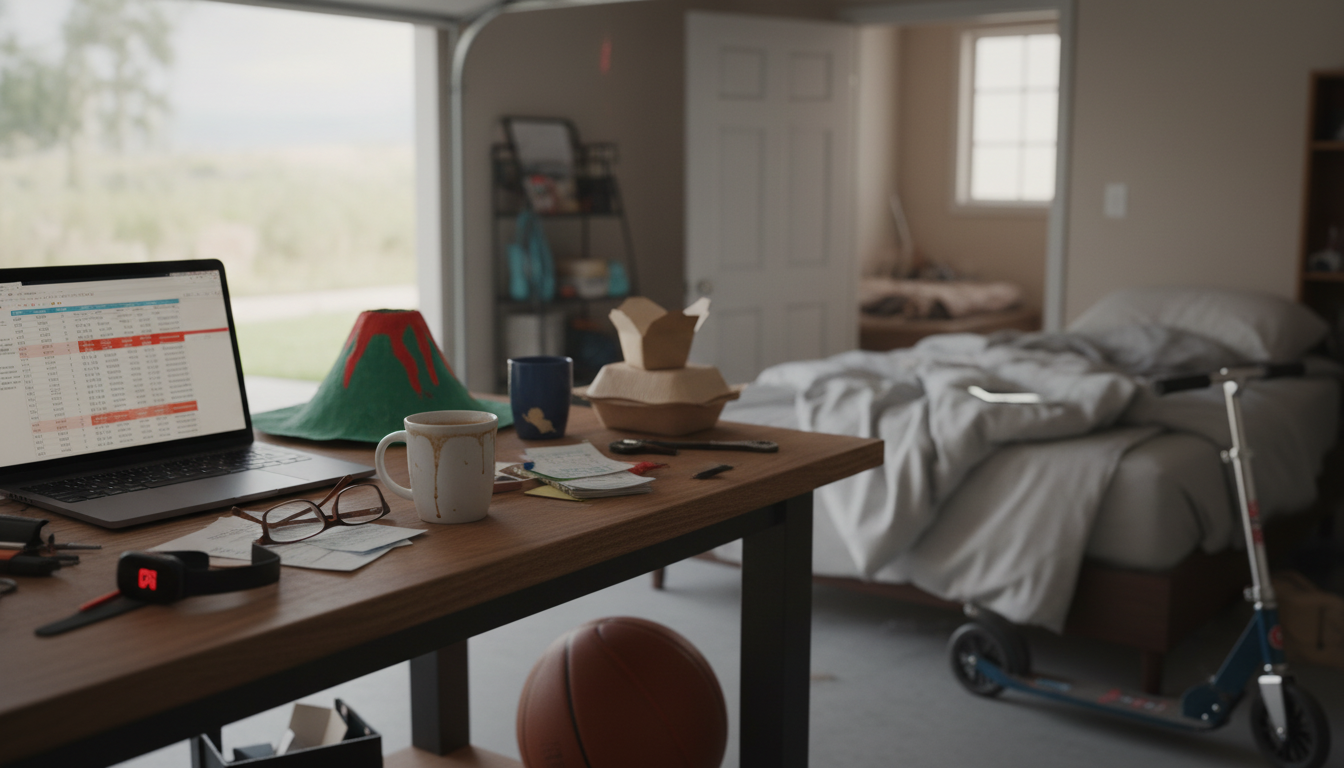
Bad sleep habits do more than leave you groggy—they can quietly affect nearly every system in the body. Regularly sleeping too little, keeping an inconsistent sleep schedule, or relying on late-night screens and caffeine can disrupt your internal clock and reduce the quality of deep, restorative sleep. Over time, that imbalance can add up to real health, mood, and performance risks.
Chronic poor sleep is linked with increased inflammation, higher blood pressure, and changes in how the body processes blood sugar. These shifts can raise the risk of weight gain, insulin resistance, and cardiovascular strain. Even if total hours seem “okay,” irregular sleep timing can still interfere with healthy metabolism.
Sleep supports immune regulation and tissue repair. When sleep is cut short or fragmented, the body may produce fewer infection-fighting signals and take longer to recover from illness, workouts, or everyday stress. That can mean more frequent colds, lingering fatigue, and a general feeling of being run down.
Bad sleep habits can intensify irritability, anxiety, and low mood. Poor sleep also makes it harder to regulate emotions, which can increase reactivity and reduce resilience. In some people, ongoing sleep disruption can worsen symptoms of depression or anxiety and make stressful situations feel more overwhelming.
Sleep loss slows reaction time and impairs attention—similar to being mildly intoxicated. That can affect work performance, learning, and decision-making, and it can increase the risk of accidents while driving or using equipment. Memory consolidation also happens during sleep, so inconsistent rest can make it harder to retain new information.
For a deeper breakdown of causes, consequences, and practical ways to reset your routine, visit https://lustrous.store/what-are-the-dangers-of-bad-sleep-habits/.
Shift your wake-up time earlier in 15–30 minute steps, keep it consistent for several days, and get bright light exposure soon after waking. Avoid late caffeine and aim for a wind-down routine that reduces screens and stimulation 60 minutes before bed.







Leave a comment