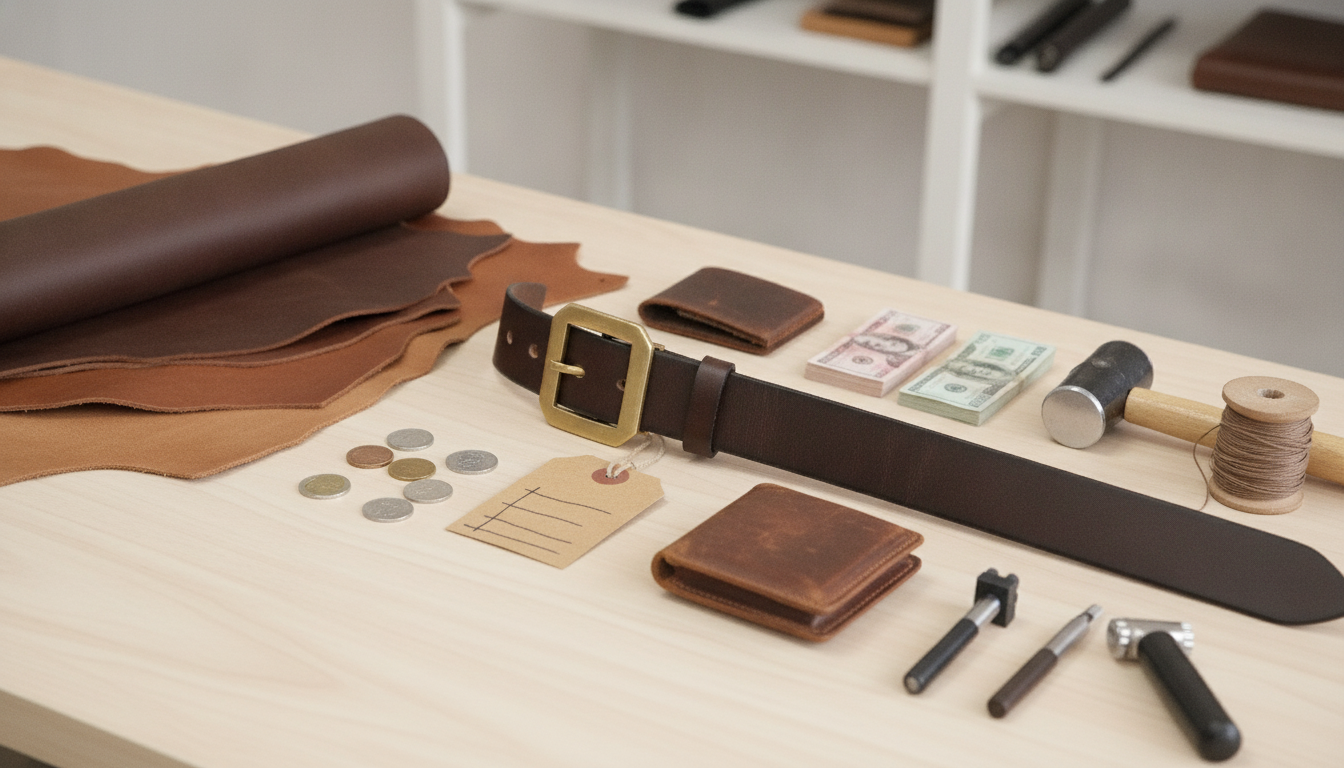
Cowhide leather can be expensive, but it isn’t automatically “high-priced” in every case. Compared with many synthetic materials, genuine cowhide usually costs more because it’s a natural hide that requires tanning, finishing, and quality control. Compared with premium leathers like full-grain horsehide or many exotic leathers, cowhide is often more approachable—especially when the product is made efficiently and designed for daily wear.
The biggest cost factor is the leather grade. Full-grain cowhide (the outermost layer, left largely intact) is typically the most expensive because it’s durable, develops character over time, and shows natural markings. Top-grain is often slightly less expensive because it’s sanded and finished for a more uniform look. “Genuine leather” can be lower in price and quality, since the term is broad and may refer to more processed layers.
Thickness and cut also matter. A thicker strap cut for belts tends to use more material and must be stiff enough to hold shape. Hardware choices—like a solid metal buckle—add cost, as does stitching quality, edge finishing, and the overall construction method.
For items that see constant friction and bending—belts, wallets, and bags—cowhide is widely considered a strong value because it balances durability, comfort, and availability. A well-made cowhide belt can last for years with basic care, so the cost per wear often beats cheaper materials that crack, peel, or stretch out quickly.
Look for specifics instead of vague labels: full-grain or top-grain cowhide, clear belt width/thickness, solid hardware, and clean finishing. If those details are provided, a higher price usually reflects tangible upgrades rather than marketing.
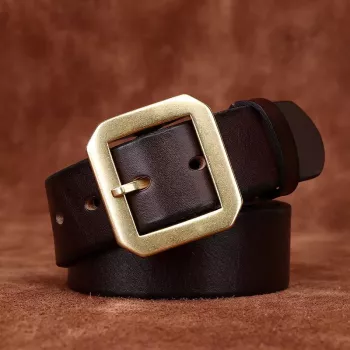
For a practical example of how cowhide leather and hardware choices come together in a daily accessory, see this guide: men’s cowhide leather belt with a copper buckle (1.5-inch casual).
Wipe it clean with a dry or slightly damp cloth, keep it away from soaking water and direct heat, and condition occasionally with a leather conditioner to prevent drying and cracking.



Leave a comment