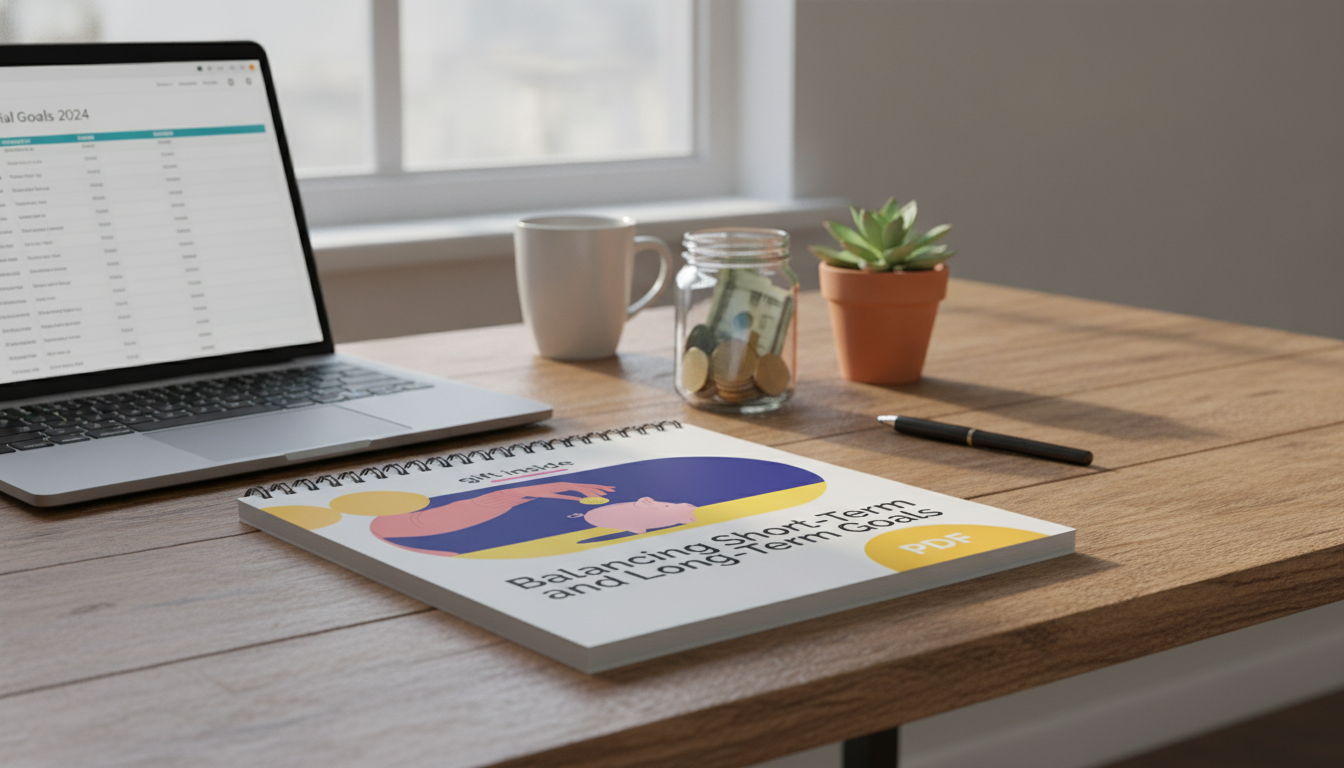
Saving sounds simple until real life stacks the deck: a car repair hits the same month your insurance renews, while retirement and a future home down payment still matter. A practical system fixes the tug-of-war by giving each dollar a clear job, keeping “soon” money from stealing from “someday” money, and building steady progress without constant self-control.
Most savings confusion disappears once money is separated by time horizon.
This is money you may need soon: a starter emergency cushion, annual bills, home or car repairs, travel, medical deductibles, and other near-term cash needs.
This is money for bigger future goals: a down payment, education, a business fund, and retirement.
To keep these buckets from blending, use separate accounts or clearly labeled sub-accounts (often called “sinking funds”). The big win: when a short-term surprise happens, it doesn’t derail long-term progress. Start by prioritizing stability—even a small emergency cushion can reduce reliance on high-interest credit and protect the contributions you’re trying to make to longer-range goals.
A plan you’ll follow beats a plan that’s “perfect.” Keep your goal list short enough to manage.
If your total monthly contributions exceed your available cash flow, adjust in this order:
This approach keeps goals realistic while still moving forward, even if progress starts small.
Budgeting doesn’t have to mean endless spreadsheets. Pick a framework that matches how you naturally operate:
To create more room for saving, start with the “Big 3” levers—housing, transportation, and food. Cutting a $40 subscription helps, but renegotiating insurance, reducing car costs, or adjusting grocery habits usually moves the needle faster.
Instead of a stressful monthly overhaul, do a 10-minute weekly check-in: confirm upcoming bills, glance at account balances, and make one small correction. Finally, turn irregular costs into predictable monthly sinking funds—gifts, car maintenance, memberships—so emergencies become rarer and less expensive.
For additional budgeting tools and consumer guidance, the Consumer Financial Protection Bureau offers practical, plain-language resources.
When money is tight, the right order matters. A common “operations” sequence looks like this:
| Goal type | Typical time horizon | Where it’s often kept | Primary purpose |
|---|---|---|---|
| Emergency fund | Immediate–12 months | High-yield savings account | Prevent debt and protect other goals |
| Sinking funds (annual bills) | 1–24 months | Savings sub-accounts | Make irregular expenses predictable |
| Major purchase (car, wedding) | 1–5 years | Conservative savings/cash equivalents | Preserve capital for a planned date |
| Retirement | 10+ years | Tax-advantaged retirement account (where eligible) | Long-term growth |
For keeping near-term savings safe while still accessible, consider accounts with federal deposit insurance where applicable; the FDIC’s deposit insurance overview explains coverage basics.
If you want a ready-to-use system, consider Smart Savings: The Ultimate Guide to Balancing Short-Term and Long-Term Goals for a guided setup that keeps both buckets moving without getting complicated.
And if increasing income is part of the plan—asking for a raise, interviewing, or presenting ideas clearly—Speak Confidently in Any Situation can support the communication side of financial progress.
A practical starting point is to put more into short-term savings until you have a starter emergency cushion and upcoming near-term expenses covered, then split new savings so both buckets keep moving. Many people begin around a 60/40 short-term-to-long-term split and adjust based on debt, income stability, and how soon big bills are due; automating minimums for both helps keep long-term goals from stalling.
Start with a small cushion first (enough to handle a minor surprise), then begin or resume long-term contributions while you build toward a fuller emergency reserve. A common benchmark for the fuller reserve is measured in months of essential expenses, and the right number depends on job stability, household obligations, and how predictable your costs are.
Short-term savings is typically kept in a safe, liquid place such as a savings account (including high-yield options), where the balance isn’t exposed to big market swings. Using separate labeled accounts for emergency funds and sinking funds makes it easier to access money when needed without accidentally spending long-term savings.




Leave a comment