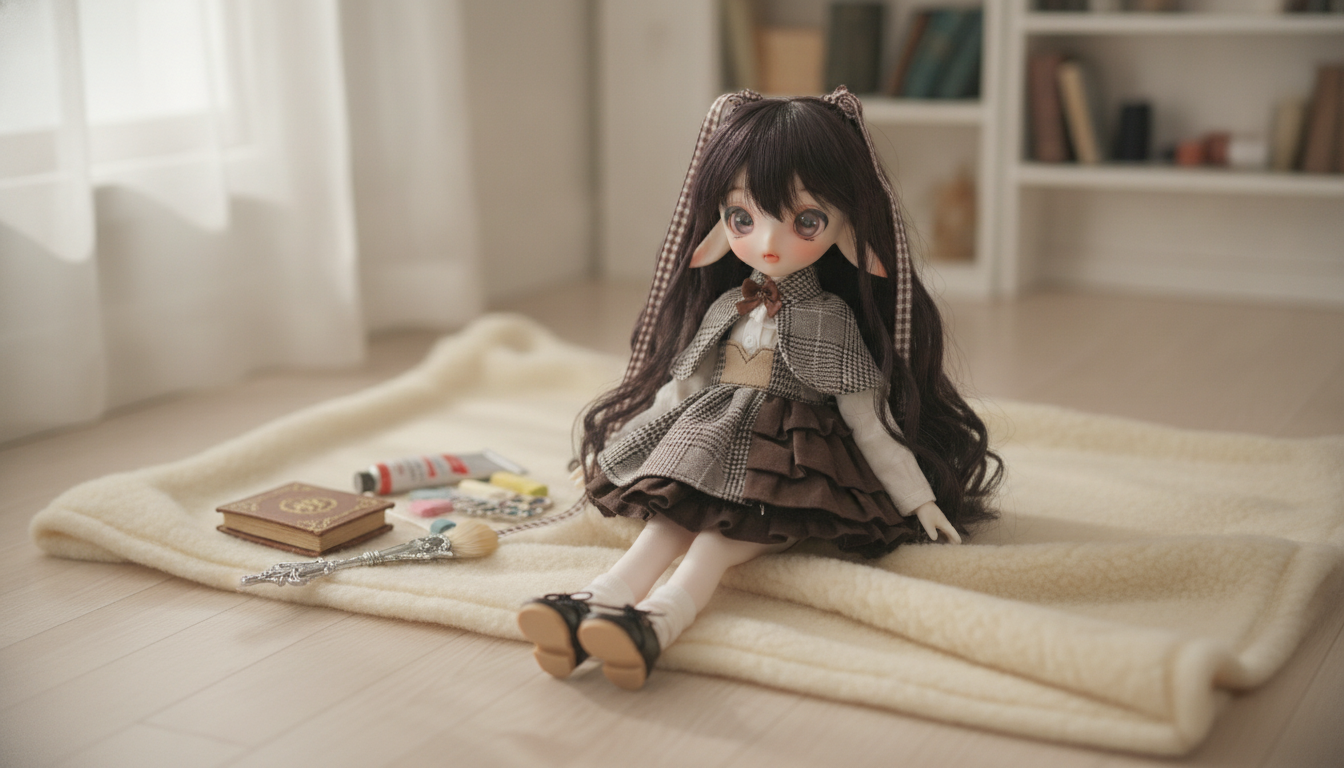
A long-eared ball-jointed doll (BJD) brings an instant fantasy character feel—think elf, fae, woodland spirit, or gentle monster—while keeping the poseability and customization that collectors love. In 1/6 scale, long ears become a focal feature for face-up design, wigs, and outfits, so small choices (skin tone, blushing, eye size, ear protection) make a big visual impact. Below is a practical breakdown of what to look for, how to style long ears, and how to keep the doll looking crisp over time. For more guidance, see L-chan’s reviews.
Long ears can read as elven elegance, animal-hybrid charm, or otherworldly fantasy depending on makeup, brows, and wardrobe. A soft, natural face-up paired with linen layers feels “forest traveler,” while sharper brows and metallic accents push it toward “fae royalty.” For further reading, see Ball-jointed doll – Wikipedia.
Ears change the side profile and the way wigs sit around the temples. Even simple styling choices—pinning hair behind the ears, trimming temple layers, or adding a headband—look more intentional than on standard ear sculpts.
Long ears naturally frame the face, so subtle head tilts and small changes in eye direction become more dramatic. This is especially noticeable in 1/6 scale, where micro-adjustments read clearly in portraits.
Ear blushing, freckling, clip-on jewelry, and removable ear cuffs can define a theme without committing to a full wardrobe rebuild. It’s a strong “character signal” that still stays flexible for seasonal or story-based styling.
1/6 dolls typically pair best with compact outfits, smaller props, and lightweight accessories that won’t stress joints. Because long ears draw attention upward, balancing the look matters: a little hairstyle volume, a shaped collar, or shoulder detail can keep the silhouette harmonious. Budget-wise, leave room for essentials like a stand, a wig cap, protective sealant for blushing, and (for strung dolls) spare elastic.
| Feature | Why It Matters | What to Look For |
|---|---|---|
| Ear length & shape | Defines character and styling options | Smooth edges, consistent symmetry, no sharp points that snag clothing |
| Headcap & wig fit | Long ears can interfere with wig lines | Stable headcap, room for a wig cap, minimal lifting near temples |
| Eye size compatibility | Affects expression and realism | Common eye sizes for 1/6; test with a neutral color first |
| Joint stability | Small scale can be top-heavy with big wigs | Even tension, stands easily, holds seated and standing poses |
| Material care needs | Different materials age differently | Clear handling guidance; consider UV protection habits |
| Outfit compatibility | Long ears can catch on collars/hoods | Soft fabrics around the neck; closures that don’t scrape face-up |
Boat necks, open collars, and layered shawls keep the face visible without snagging ear tips. If you love turtlenecks or high collars, choose soft knits and wider openings so the fabric slides past ear edges without friction.
Hoods can look amazing on a long-eared sculpt, but the details matter: soft linings, smooth seams, and roomy openings reduce rubbing on blushing. Avoid stiff closures that scrape the face-up, especially around temples and ear bases.
Half-up styles, side-swept bangs, and shorter temple layers keep ears visible for that “fantasy profile.” For long straight wigs, pin hair behind the ears for a clean silhouette; if the wig wants to pop forward, a wig cap and a few discreet pins usually stabilize it.
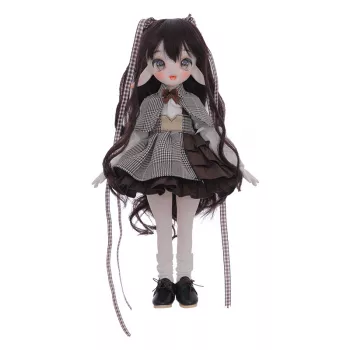
If you’re building a fantasy wardrobe or want a silhouette that reads “character” even in simple outfits, the 1/6 BJD Doll with Long Ears is a ready-to-style base for wig experiments, ear cuffs, ribbons, and expressive portrait photography. It’s also a practical choice for collectors who want distinctive long-ear charm without moving up to larger, more space-demanding scales.
Cozy Baby Quilt – Soft & Thick Newborn Swaddle Blanket: A soft padding option for transport or storage layering to help prevent pressure on delicate ear tips.
Smart Savings: The Ultimate Guide to Balancing Short-Term and Long-Term Goals: Useful for mapping out a hobby budget when you’re planning wigs, eyes, outfits, and face-up supplies over time.
A BJD is a ball-jointed doll designed for poseability using ball-and-socket style joints (often with internal stringing or engineered joint systems), and it’s commonly customized with face-ups, wigs, and eyes. An MJD (mechanical-jointed doll) typically uses hinge-based joints and can feel different in posing, maintenance, and part compatibility, depending on the brand and build.
Ball-jointed dolls have historical roots in Europe, but modern collector BJDs became especially prominent through Japanese makers and the global hobby community. The rise of modern resin BJDs and online collector spaces helped shape today’s customization-focused culture.



Leave a comment