
EMS microcurrent can work, but “work” usually means subtle, temporary improvements in how toned and lifted the skin looks—especially around areas like the eyes, cheeks, and jawline. These devices send low-level electrical currents through the skin to encourage muscle stimulation and support circulation, which can translate to a fresher, tighter-looking appearance right after use. For many people, the most noticeable results are a short-term “snatched” look and reduced puffiness rather than dramatic, permanent lifting.
With consistent use, EMS microcurrent is best for:
It’s less reliable for deep wrinkles, significant sagging, or structural changes. Those concerns typically require professional treatments and a broader skincare plan.
Results vary based on consistency, device quality, and technique. Using the device regularly (often several times per week), applying a conductive gel/serum so the current transfers smoothly, and moving slowly along the contours of the face all matter. Hydration, sleep, and inflammation levels can also influence how much lift or depuffing is visible after a session.
At-home microcurrent and EMS tools are generally considered safe when used as directed, but they aren’t for everyone. People with pacemakers, implanted medical devices, certain heart conditions, seizure disorders, or who are pregnant should typically avoid electrical stimulation devices unless a clinician explicitly approves. Also, avoid using on broken or irritated skin.
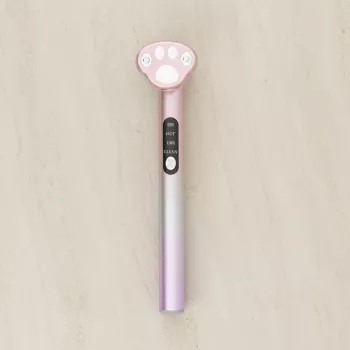
For better payoff, treat it like a routine rather than a one-off: cleanse first, use a conductive layer, work one section at a time, and take “before” photos so changes are easier to notice. For a deeper guide on features like heat, vibration, and multi-color LED pairings, visit this complete EMS microcurrent wand guide.
Many people see the best short-term lift with use several times per week, then maintenance sessions as needed. Follow the device instructions, since intensity and recommended frequency vary by model.




Leave a comment