Constant pressure to “get it right” can turn everyday parenting into a performance—one where every tantrum feels like a test and every choice feels permanent. A more sustainable approach is good‑enough parenting: steady care, repair after mistakes, and realistic expectations. With the right guardrails, AI tools can reduce mental load—helping plan routines, find words in hard moments, and reflect—without replacing judgment, values, or human connection.
Perfect parenting can feel like the only acceptable standard when comparison culture is loud, advice is conflicting, and judgment seems one comment away. Add the belief that every moment shapes long-term outcomes, and it’s easy to treat normal childhood behavior as a referendum on competence.
Perfectionism tends to do the opposite of what it promises. It raises stress, shrinks patience, and narrows creativity—so instead of flexible problem-solving, the brain reaches for rigid rules or harsh reactions. Over time, kids benefit less from “flawless” moments and more from consistency plus repair: a caregiver who returns, reconnects, and resets after things go sideways. That pattern supports resilience and secure relationships, which aligns with what developmental research emphasizes about responsive interaction and connection (see Harvard’s overview of serve-and-return relationships).
“Good enough” parenting makes room for warmth, boundaries, and flexibility—three things that are hard to access when the goal is never making a mistake.
Instead of measuring success by outcomes (a perfectly behaved child, a perfectly calm parent), shift to process: connection, safety, and learning. Kids don’t need a flawless response—they need a caregiver who stays engaged and returns to the relationship after conflict.
If a day includes a meltdown, a raised voice, and a later repair, that day can still be successful—because a repair teaches emotional responsibility without demanding perfection.
AI can be a calm co‑pilot for the logistics and language of parenting—especially when the mental load is high. The best uses tend to be practical: brainstorming scripts, simplifying choices, creating checklists, and planning routines. Used this way, AI helps caregivers show up steadier, not “perform” better.
The key boundary: don’t outsource values. AI can suggest options, but caregivers decide what fits their child, culture, and household. It’s also wise to set privacy limits—share fewer personal details, avoid sensitive child information, and keep deeper journaling in local notes. And rather than using AI to police kids, use it to reduce cognitive load for adults. For broader parenting basics grounded in child development, the CDC’s Essentials for Parenting is a helpful reference point.
| Moment | What often happens | AI-assisted help | Human choice to keep |
|---|---|---|---|
| Morning rush | Everyone is late; emotions spike | Generate a 10-minute checklist and a backup plan | Decide priorities (breakfast vs. on-time), keep tone calm |
| Tantrum in public | Embarrassment leads to harshness | Draft a short calming script and exit plan | Stay present, regulate, set a boundary |
| Homework resistance | Power struggle and threats | Suggest options for breaks, timing, and rewards | Choose limits and support style |
| Sibling conflict | Refereeing and blame | Provide neutral mediation prompts | Teach repair, fairness, and empathy |
| Bedtime delays | Negotiations stretch on | Create a routine card and soothing phrases | Hold the boundary with warmth |
These shifts matter because stress changes what the brain can access. The American Psychological Association tracks how chronic stress affects daily functioning and decision-making (see APA: Stress in America).
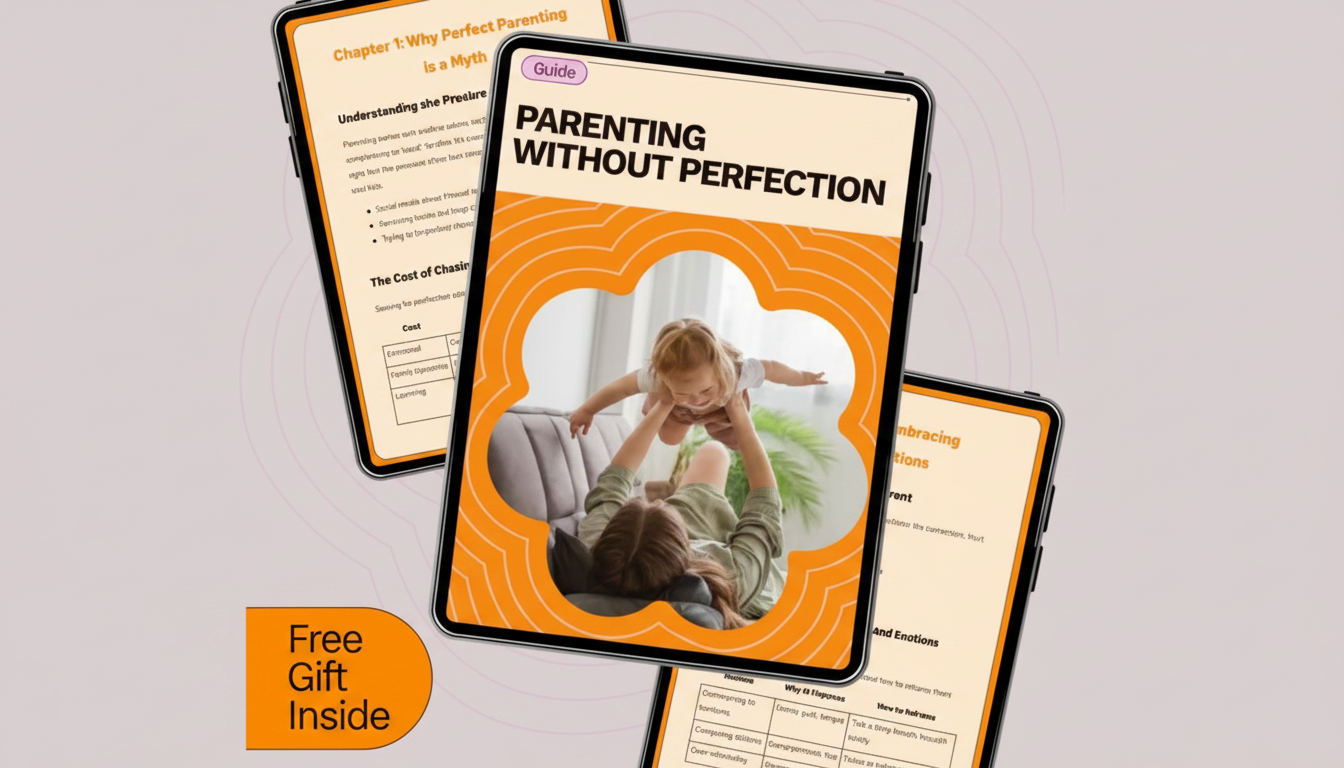
For caregivers who want structure without rigidity, Parenting Without Perfection: A Practical Guide on How to Let Go of Perfect Parenting and Embrace Imperfections with AI Support is designed to help loosen unrealistic standards while staying consistent and caring. It focuses on reframing guilt, strengthening repair skills, and using AI in ways that support routines and communication—without giving away your authority as a parent.
If parenting stress is hitting hardest during early mornings, naps, and bedtime, supportive basics can make those windows gentler. A soft, reliable swaddle option like the Cozy Baby Quilt – Soft & Thick Newborn Swaddle Blanket can help simplify the comfort routine so attention can stay on connection rather than constant troubleshooting.
No—“good enough” parenting is not neglect. It emphasizes consistent care, realistic expectations, and repair after mistakes, which supports both parent well-being and child resilience.
AI works best as a brainstorming and planning tool—helping with scripts, checklists, and routines—while the caregiver keeps final decisions. Values, boundaries, and what fits a specific child should always remain human-led.
Avoid sharing sensitive personal details, relying on AI for medical or legal guidance without professionals, and using AI for surveillance or discipline threats. Any suggestion should be checked against safety, child development, and your family’s values.






Leave a comment