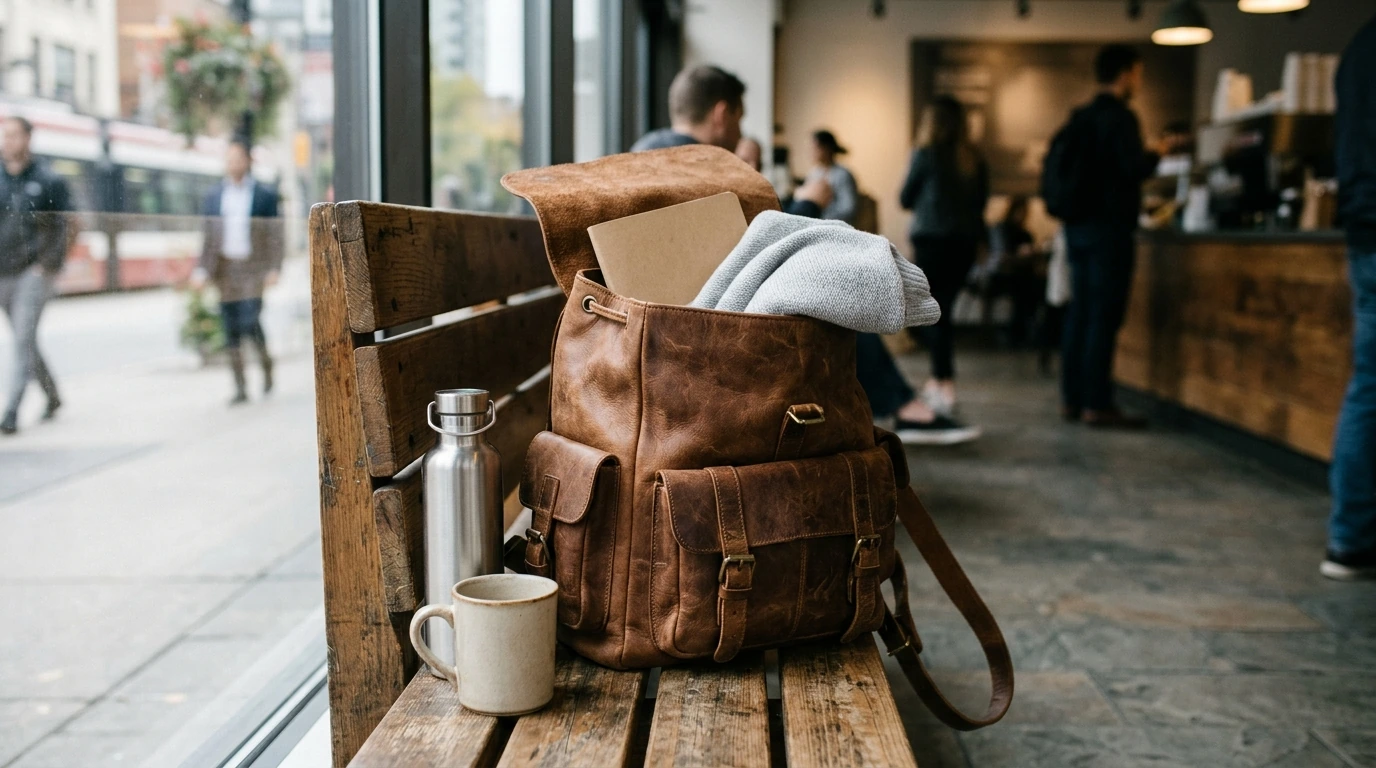
Some days call for more than a small handbag. You leave for a commute, stop for an errand on the way home, and realize you also need a notebook or an extra layer. A backpack gives those everyday items a place to go while leaving your hands free. The question is how much room you need—and how to use it without carrying more than you intended.
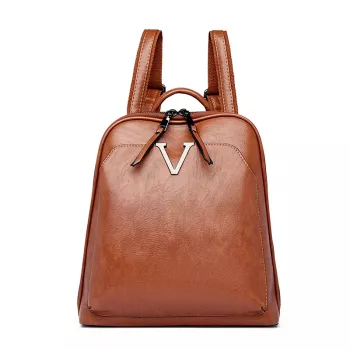
Our Vintage Soft Leather Women’s Rucksack Backpack – Large Capacity brings a vintage-inspired look to a practical, roomy format. It may appeal to you if your day changes between work, errands, and time out with friends, and you would rather carry one bag than switch between several.
“Large capacity” is a useful starting point, not a reason to assume every item will fit. A slim notebook and a bulky jacket take up space differently; two laptops with the same screen size may have different overall dimensions. Before making this rucksack part of a specific routine, consider what you actually carry on most days and which item is hardest to accommodate.
It can also help to separate what you need during the day from what you bring along just in case. Wallet, keys, phone, and a few personal items are one kind of load. A full water bottle, electronics, and an extra layer create another. Planning for the first makes it easier to decide how much room you want for the second.
A roomy bag can serve different days without being packed the same way each time. These are ideas rather than fit guarantees: the space each item needs depends on its size and shape, as well as what else you put in the rucksack.
| Day | Possible essentials | Packing tip |
|---|---|---|
| Everyday errands | Wallet, keys, phone, sunglasses, and a small pouch | Keep frequently used items easy to reach. |
| Commute | Daily essentials, a notebook, and a compact layer | Check dimensions before adding electronics. |
| Day out | Water bottle, personal items, and a light extra layer | Pack heavier items close to your back. |
If a laptop, tablet, or another bulky item is essential to your day, compare its full dimensions with the measurements on the product page before planning around it. Remember to account for a protective sleeve, too. You want enough space for the item and a way to reach your other essentials without having to empty the bag.
Small accessories deserve a little planning as well. If you bring High-Fidelity 9.2mm Beryllium-Coated Single Driver In-Ear Headphones on your commute, for example, keeping them in a small pouch can make them easier to find among your daily items. The goal is a bag that supports your routine, not a bag you have to search through at every stop.
Extra space is most useful when your typical load still feels manageable. You do not need to fill every inch to get value from a large-capacity rucksack. Leaving some room can be convenient for a light layer or a small purchase, while keeping the bag closer to the weight you are comfortable carrying.
Start with your largest everyday item. Compare its height, width, and depth with the bag’s listed measurements, then consider the space and weight of everything that travels with it. A water bottle and a notebook may each seem modest on their own, but the combined load can feel different after a long walk. Try packing for an ordinary day first; add occasional items only when you need them.
How you wear a backpack matters, too. The American Academy of Pediatrics’ backpack-safety guidance recommends using both shoulder straps and adjusting them for a close, comfortable fit. Although that guidance addresses children’s backpacks, those two habits are practical reminders when you assess how a loaded bag feels on your own shoulders. If the bag pulls you backward or feels awkward to carry, lighten the load and adjust it before heading out.
One simple habit is to review what stayed unused at the end of the day. You may find that a duplicate accessory or a heavy “just in case” item can stay home next time. More capacity gives you flexibility; a thoughtful packing routine helps you enjoy it.
A vintage-inspired rucksack can fit into an outfit without making the outfit feel overly planned. Pair it with denim and a knit for an easy daytime look, or carry it with a more polished outfit to bring in a relaxed note. Its appeal is the balance: familiar backpack practicality alongside a silhouette that feels less purely utilitarian.
We like to consider style and daily use together. A bag can look right with what you wear yet still need to make sense for your route, your usual belongings, and the amount of weight you prefer to carry. If you are deciding between a handbag and a backpack, think about the moments when having both hands available would make your day easier.
Take a look at the rucksack’s product details, compare its listed specifications with your own essentials, and decide whether its roomy, vintage-inspired style belongs in your routine. You will get the clearest answer by planning around an ordinary day—not the fullest bag you could possibly pack.
Compare your laptop’s full dimensions, including any sleeve, with the measurements on the product page. Do not assume fit based on screen size alone.
Yes, if its size and your usual packed load feel comfortable. Start with your everyday essentials rather than filling the available space simply because it is there.



Leave a comment