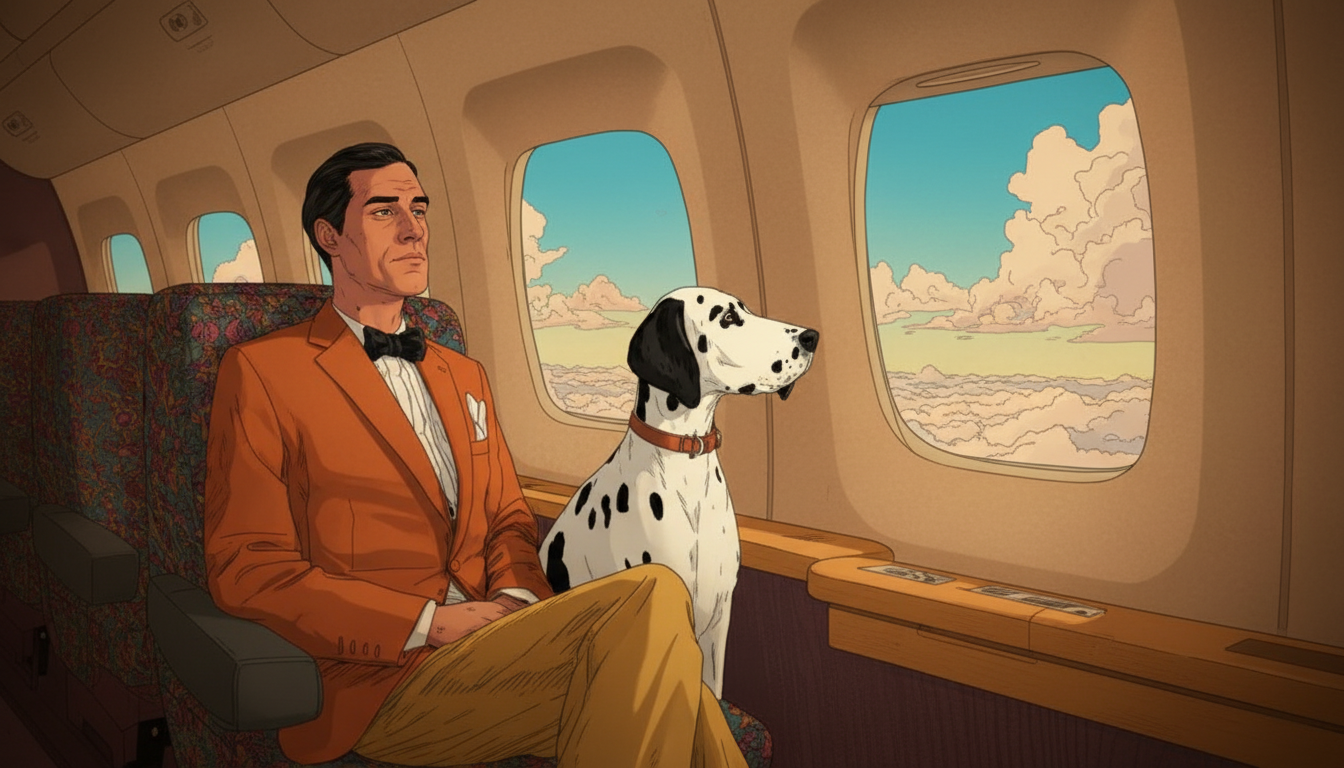
Flying with a pet can feel like juggling airline rules, health paperwork, and day-of travel timing. A smart checklist turns the chaos into a repeatable plan: what to confirm before booking, what to prepare in the weeks before departure, and what to pack so nothing is missed at the airport. The goal is simple: reduce surprises, protect your pet’s comfort, and make every step easy to verify on your phone (and on paper, just in case).
Most pet-travel problems start before the ticket is purchased. A few checks up front can prevent last-minute denials and stressful rebooking.
When multiple flights look similar on price and duration, pet policies are often the deciding factor. A structured checklist—especially one you can duplicate for each itinerary—makes comparisons faster and more reliable.
| Check | What to record | Why it matters |
|---|---|---|
| In-cabin spots | Confirmed pet reservation + confirmation code | Some flights cap the number of cabin pets |
| Carrier rules | Max dimensions, ventilation, soft vs hard carrier | Gate agents check size and compliance |
| Connection risk | Layover length + terminal change | Reduces stress and missed flights |
| Temperature/seasonal bans | Policy for origin/connection/destination | Can trigger last-minute denial |
| Documentation | Health certificate timing + vaccine dates | Expired paperwork can cancel travel |
Once you’ve chosen the best flight option, the booking stage is where details must be locked in and saved.
For a ready-to-use format you can duplicate per flight and keep offline, see the AI-Powered Flight Booking Checklist for Traveling with Pets | Smart Digital Guide for Stress-Free Pet Air Travel | ai for booking flights with pets | Printable & Mobile-Friendly Travel Checklist.
The best pet trips look “easy” because the pet has practiced the routine. Two weeks out is a practical window for training and documentation backup.
If you’re traveling internationally or dealing with complex routing, it’s also worth skimming the IATA Live Animals Regulations overview for a high-level sense of how airlines approach animal safety and handling.
| Item | Carry-on (recommended) | Notes |
|---|---|---|
| Health certificate + records | Yes | Store paper copies + offline digital copies |
| Collapsible bowl + water | Yes | Offer small sips; avoid overhydration right before boarding |
| Waste bags / wipes | Yes | For accidents, relief areas, and carrier cleanup |
| Food portions | Yes | Delays happen; avoid big meals right before flight |
| Extra pee pads | Yes | Line carrier; bring 1–2 spares |
If speaking up to clarify a policy or ask for help feels uncomfortable, a simple confidence script can make interactions smoother. The digital download Speak Confidently in Any Situation – Practical Guide on how to improve public speaking confidence | Digital Download can help you practice calm, clear communication before travel day.
Yes in many cases, but in-cabin pet spots are limited. Contact the airline immediately, get a separate confirmation for the pet reservation, and confirm your seat row allows an under-seat carrier.
Common requirements include a health certificate timed to airline/destination rules, proof of rabies vaccination, and any destination import permits. Exact requirements vary by airline and location, so verify them before booking.
Sedation is generally discouraged unless a veterinarian specifically recommends it for medical reasons. Ask your vet about safer anxiety-management options and how to reduce stress with training and routine.






Leave a comment